Tuesday, May 13, 2014

Poetry Final: Research

            Li Bai is considered one of the most influential and best poets in the history of China. He was born during the heart of the "Golden Age" of China, during the Tang Dynasty, which lasted from 618-907 AD. Li Bai was born in 701 in Suiye, Tang Empire, China (which today is Suyab, Kyrgyzstan) and he died in 762 in or around Dangtu, China. Du Fu, another one of China's great poets during the Tang Dynasty, was one of Li's cherished friends, yet his rival for the title of the greatest poet in all of China during that time. Li Bai was inspired by many things throughout his life to create the poems he did, but half or more of his hundreds of poems were based off of wine. Some of his most studied, beloved, and famous poems are from the Three Hundred Tang Poems. Of those 34 masterpieces, are his most famous "Waking from Drunkenness on a Spring Day", "The Hard Road to Shu", and "Quiet Night Thought", in which all of these are read and studied in the language arts textbooks throughout China today. When Li's mother was pregnant with him, she had a dream. She dreamed of a great white star falling from the heavens, bringing the idea of Li Bai being a banished immortal before birth, leaving immortality and coming to mortal Earth. This referred to the Great White Star, or Venus, which explains his courtesy name Tai Bai or “Great White”. Li was the family surname, and he was the Great White Star, thus creating his name: Li Bai. Before birth, he was considered something of greatness, out of this world. When he was born, he lived in Suiye, which is on the ancient Silk Road, in which his family were likely merchants. He moved with his family to Jiangyou, which is near modern Chengdu, when he was around five years old. Here, he spent much of his childhood reading immensely, including Confucian classics such as The Classic of Poetry (Shijing) and the Classic of History (Shujing), as well as many astrological and metaphysical literary materials. From this young age and until his twenties he also became very good in the martial arts, and an unbelievable swordsman. He has claimed to have killed several men for reasons of chivalry in accordance with the Youxia, or knight-errant tradition in China. During his mid-twenties, around 725, he set sail on the Yangzi River, and began the life of a wanderer. On a journey back up the river arriving at Yunmeng, he met the granddaughter of Xu Yushi, a Prime Minister of China, in who he married. He gave away much of his inherited wealth to the needy, and met famous people, becoming famous himself from his doings. Now well known, he still continued to travel and wander, when he met and joined a group of poets who also enjoyed writing about journeying and most importantly, drinking wine, which Li loved to do. This group was famous for writing of wine in the midst of life, and they were called "The Eight Immortals of the Wine Cup", including his friend Du Fu. Li Bai was considered a genius, and met the Emperor, becoming his friend and adviser. When the Emperor was removed from power, Li Bai tried to seize power around 730, but failed to do so and was sentenced to death. A general he also befriended bailed him out of the sentence, and Li was only exiled. After years of complications with courts, he wanders even more eventually making friends with a famous Taoist priest named Wu Yun. In 742, in the court of Chang'an, Wu Yun and Emperor Xuanzong eradicate his exile saying he's an "Immortal exiled from heaven" and should be praised for his genius and presence. He became a translator for the Emperor, and who got a post at the Hanlin Academy, where he served to provide scholarly expertise and create poetry for the Emperor. Some of his first famous poems he made for the Emperor and his wife, royalty, etc. Some of the royal court was offended by Li's drinking, so the Emperor kindly sent him from the royal court with riches. From here, Li Bai became a Taoist in Shandong, where he made a home. He wandered to and from his home through nature and rivers for the next ten years, writing poems of all his encounters and thoughts. He meets one last time with Du Fu in 744, to write poems of each other. In 756, war and exile occur and the Emperor and his forces flee, including his people. Li Bai escapes the madness, but much later is captured and imprisoned, once again sentenced to death. The famous general, Guo Ziyi, who had sentenced Li to death years back, now releases him. Imperialism and much political unrest take place for the next ten years, but Li avoids it all and returns to wandering once more. Going through two emperors in a dynasty, a new emperor, Daizong, makes Li one of office in 762. But when Li Bai comes back to Dangtu for the position and return from more years of wandering, he dies. Legend has it that Li Bai drowned after falling off his boat when he tried to embrace the moon's reflection on the Yangtze River while drunk off wine. It is unknown how he died, but it was thought that he died from his hard living style of ongoing traveling and heavy drinking. His legendary death, of drowning for the moon's reflection, goes down in history as one of the most famous deaths ever told, and is a part of Chinese culture today.


            What is believed to be the thousands of poems that Li Bai wrote in his lifetime, there were only hundreds found and recorded, and a great percentage of them involve the act of drinking, enjoying, and celebrating wine. Other themes involved in many of his poems are celebrating the pleasures of friendship and love, the depth of nature and its beauty, views of political corruption, loneliness and/or solitude, and the aspirations of wandering; the journey. In The Hard Road (1 of 3) by Li Bai, he includes three main themes: Discontent, struggles in life, and striving for the journey. In many poems he desires wine, the thing that intoxicates him to his creativity for most of his poetry. Instead, in this particular poem, he does not celebrate drinking wine, but only references it to set the scene−to show his discontent. It seems as though Li is describing a very nice party, where wine and food cost a fortune and dinnerware is made of gold and jade. In reality, since all of his poems are based on the events of his past on some level, he must be attending the party of the royal court when he wrote poems for the Emperor and worked in his palace. The line, "I fling aside my chop-sticks and cup, I cannot eat nor drink..." shows his discontent, because eating and drinking are simple pleasures of life, and drinking is one of his greatest passions in life. The next four lines explain why he cannot eat or drink through one of his other passions, which is journeying. When he pulls out his dagger, and looks in every direction, it seems as though he's had enough and might potentially commit suicide, to be rid of this pain in which he cannot eat or drink. But, he was only trying to show his pain of heart, of what seems like the impossible in his life at that time. He explains things of travel, such as he would cross the Yellow River, "but the ice chokes the ferry". He would climb the Tai-hang Mountains, "But the sky is blind with snow..." This can be interpreted in two ways, either leading to the same point. He might have literally witnessed these natural destinations in snow and ice in the midst of winter, so nature was disallowing him to journey, causing him to feel sorrow. The more probable interpretation though would be of metaphor. The Yellow River and Tai-hang Mountains are parts of nature, which he lives and breathes spiritually as a Taoist. But these things of nature are metaphor to his body and soul. He uses the phrases "chokes the ferry" and "blind with snow" as relations to his neck and eyes. Physically he feels as though he's blind to the world he now lives and is being choked by his unfulfilled desires. This blinds and chokes his soul, allowing his soul discontent. His inability to cross the mountains and climb the mountains is him saying he wants to get back to nature, to journeying, and being one with the world again, but he can't. Then he explains he'd rather be one who is relaxing in nature than in riches, until he has a sudden dream. He dreams "of riding a boat, sailing for the sun..." This is the wish of journeying to the impossible, seeing where nature will take him in the sea. Another big theme is his needing of solitude amongst nature, which is exactly his desire in this line−to forever reach the light of the sun, the impossibility of nature, but something where he'll be one with nature for as long as he pleases. He states that journeying is tasking, is difficult, and "there are many turnings" This means there are many directions life will take you−where his journeys will take him− but he ponders where he will start, and when he starts, where that will take him. Then in the last two lines of the poem, he says with some spark of confidence, that he will set sail someday, through peace or storm, and pursue on no matter what, across the sea. His "cloudy sail" refers to his clouded mind and his sickening heart, and that he will set it straight to journey again, do what he loves, and be one with nature again. His last words "and bridge the deep, deep sea" is saying that he will strive one through this journey and entrance back into his life without ever stopping again. This whole poem can be interpreted as literal, where he actually was, what he actually did and thought, and what he actually thought for his future. But Li Bai's use of words and phrasing tells the reader that the whole poem is indeed metaphor to his suffering body and soul, and the journey he will take to be reborn and be one with nature once again.


Works Cited
The Editors of Encyclopædia Britannica. "Li Bai (Chinese Poet)." Encyclopedia Britannica Online. Encyclopedia Britannica, 24 Sept. 2013. Web. 13 May 2014.
Evodip. "Li Bai Poem Analysis." StudyMode. StudyMode.com, July 2012. Web. 13 May 2014.
Gracie, Carrie. "Superstar Poets: Li Bai and Du Fu." BBC News. BBC, 10 Oct. 2012. Web. 14 May 2014.
Pei, Ming L. "Li Bai Poetry." Poetry Reading - China the Beautiful. China the Beautiful, 2009. Web. 13 May 2014.
Sisibreakeveryrule Blo. "The Hard Road by Li Bai." Sisibreakeveryrule Blog. Sisibreakeveryrule Blog RSS, 09 Feb. 2011. Web. 13 May 2014.
Totallyhistory.com. "Li Bai - Life & Biography of a Chinese Poet." Totally History Li Bai. Totally History, 2012. Web. 13 May 2014.
Watkins, Abichal, and Tejvan Pettinger. "Li Po." Poet Seers ». PoetSeers.org, n.d. Web. 13 May 2014.
Wikimedia. "Li Bai." Wikipedia. Wikimedia Foundation, 07 May 2014. Web. 13 May 2014. 

Monday, May 12, 2014

The Perfection of Om

            Life is the greatest gift in the world, and once or if the gift is revealing itself, death is its bliss. For life without death is not one worth experiencing, but rather one to mock and fear. Death is a part of life, and without life there is no death. The idea of equilibrium−the balancing of life, the Self, one's journey− is the only way one can experience life and reach enlightenment through learning of the Self and gaining the knowledge of humanity, mind and body, and the world. In Siddhartha, the novel by Hermann Hesse, he tells of the story of Siddhartha, and his journey to the Self and enlightenment. Throughout his whole life, he takes risks, does what he feels is right, learns of the unknown, and tries to discover the world and the true meaning of life. He sees during many different points in his life, that there are balancing elements from his life. Whether it be following pleasure or religion, ego or the heart, teachers or individualism, living in Sansara or reaching Nirvana, there is light and dark in the world, true opposites, and all to experience in an eternal life. What Siddhartha finds is what he knows all his life, but doesn't find it and fully comprehend it until the darkest, most hopeless time in his life. What he finds that stops him from committing suicide and giving up, is Om. The eternal perfection, the perfection of life, the world, and unity between the world and the Self, or Oneness. Siddhartha tries to find something that he does not know his whole life for himself, and in the end he finds Om, Oneness, and thus reveals his lifelong goal of enlightenment. Siddhartha doesn't realize Om until the last chapter of his life as a ferryman, but from this he doesn't find Oneness until the end of his life. Being a child Brahmin, Samana, rich businessman, and ferryman, he experiences all parts of life, in which he finds harmony and enlightenment, but he does not only experience these lives from different reborn versions of himself, but also from what he learns and does during these chapters in his life. Siddhartha does not see, hear, nor feel Om by mere chance − he finds the perfection of life because of the knowledge he obtains, the lessons he learns, and the life he experiences himself throughout the many rebirths of his eternal life.

            Siddhartha grows up in a family of Brahmins, and he is bound to be a Brahmin from his youth and into adulthood. But still in youth, after knowing he learns all he can from practicing religion, knowing of Atman, and Om, he has the Internal Call. Until this point, he starts feeling discontent of his life, knowing there is so much more out there for him to discover. "...all wise Brahmins, had already given him the richest and best part of their wisdom, had already poured their plenty into his waiting vessel, yet the vessel was not full: His mind was not content, his soul not at peace, his heart restless" (Hesse 5). Everything the Brahmins teach him is enough for another ordinary Brahmin, but Siddhartha knows there is much more to experience than just what he learns in order to reach enlightenment. The journey is unknown to him, but from this restlessness of his heart, he hears the Internal Call, the very start of Joseph Campbell's Myth Cycle; the hero's journey. This persuades himself to take leave onto something new, a new perspective and way of living. When he tells his father he wants to leave to become a Samana, his father refuses the idea, but Siddhartha knows only what he wants, so he protests by waiting to leave in silence. Finally his father sees his son is ready to leave home, to start his own journey into manhood, and so he lets him go. Once Siddhartha and Govinda learn the way of the Samana, and how to lose oneself in the world, in other beings, and eradicate their ego, they still only find distress and suffering. At first for Siddhartha, he finds himself lost in the lives of other animals, plants, and the elements of the world through this meditation of the Samana, yet, he only finds disquiet of his soul in the end. He 'lives' the whole life of a heron and more, the beauty of the life cycle of all living things, but once death  arrives, he wakes in and with his own Self once again, in physical agony and no passion for his Self. "We find consolations, we find numbness, we learn skills with which to deceive ourselves. But the essential, the Path of Paths, this we do not find" (Hesse 17). The Path, or the journey that lies ahead, is not to be found through losing oneself, through trickery of the mind and spirit. Siddhartha learns this lesson himself, through experiencing something seemingly wonderful, and always waking from that blissful dream, coming back to reality, in which he only finds pain. Siddhartha and Govinda both hear of the Buddha, and want to leave the painful ways of a Samana, to travel and hear the doctrine of the Buddha in person. Both unknowingly have different aspirations from one another once they meet the Buddha. Govinda becomes Gautama's disciple, but Siddhartha does not. When both leave to become a Samana, they want to get rid of ego and find another perspective of life. The difference is that Govinda wants to unfold his life through learning of the life of great ones, such as the one and only Buddha, and find some enlightenment this way. Siddhartha leaves because he wants not to be a student or follower anymore, but his own student. He leaves being a Samana to be rid of pain and emptiness, not to become a student once again. "'There is in fact−and this I believe−no such thing as what we call 'learning'. There is, my friend, only knowing, and this is everywhere; it is Atman, it is in me and in you and in every creature'" (Hesse 17). There is indeed a big difference between wisdom and teaching, and to reach, find, and know wisdom is something so much more than learning. Discovering the world and the Self through one's own life is the only way to true enlightenment. The experience of following his Calling and becoming a Samana reveals his courage and thirst for living a different life to experience something more. Leaving to find reason from the Buddha, and hear his own reasoning exposes a new life, uncharted but waiting. He is reborn yet again and will let his Path take him wherever he needs to go. From a child Brahmin, to a Samana, to freedom, he creates a basis for finding enlightenment. Knowledge is something one can learn through a teacher, such as Gautama, but using this knowledge and revealing wisdom and the world for oneself is the only way to find Om, to reach enlightenment; become a Buddha.
            Set off for a new life, Siddhartha is happier than ever, exciting to see what he'll become next. No rules, no teacher, he is reaching for his goal, a goal in which he does not know, by himself and in his own direction. Crossing the river in which he becomes a ferryman of later, he meets the ferryman, Vasudeva, who he stays with for shelter, but does not know. Crossing the river, Siddhartha encounters a woman, whom he almost makes love to, but stops himself from such pleasure, wanting to still keep his spiritual ways intact and not give to pleasure. On the other side, in the forests, he meets a courtesan named Kamala. He falls in love with her, but does not understand love or pleasure, and wants her to be his teacher. From before, he wants nothing of a teacher, but from something so foreign to him as physicality, he wants to learn everything he can. She falls in love with him too, once she introduces him to the city of child people, or worldly, normal people, and he buys clothes, is proper, and gets a job. But the one thing she tells of him, is how to obtain love. "Love can be begged, bought, or received as a gift, one can find it in the street, but one cannot steal it" (Hesse 49). Since Siddhartha already has the feeling of what he believes is love, she explains how he can give it and more importantly receive it, as long as he gets love back. To have, give, and receive love is important to not only loving other human beings−one's soul mate or lover−but of all people and the Oneness of the world. This is the greatest thing Siddhartha can receive and reveal to himself during his life among the child people. Of course, his ego takes force, and the lifestyle of which he chooses to live takes over his body and soul. Kamala's boss, Kamaswami, hires Siddhartha in which he becomes a businessman−a successful tradesman. His tactics are not what one might think are profitable, but learning to love the child people of who he trades with in the long run makes him the most successful, having all the acquaintances. Under the wing of Kamala and Kamaswami, he becomes excessively wealthy, filthily rich, and lets his ego change him. He becomes a gambler, gambling away thousands of dollars to at some point get the pleasurable feeling of winning more money. He also becomes a drinker and a cheater, drinking his body and soul away, and cheating his love for Kamala with dancing women, becoming older faster than he ever has before. "Whenever he awoke from this hateful spell, whenever he saw his face grown older and uglier in the mirror on his bedroom wall, whenever he was assailed by shame and nausea, he fled further, seeking to escape in more gambling, seeking to numb himself with sensuality and wine, and then hurled himself back into the grind of hoarding and acquisition" (Hesse 68). The excessive pleasure of money, luxury, sensuality, and alcohol is slowly killing his love, his desire for life, his body and mind, and his Self. It is to this exhaustion of pleasure that he literally is nauseous to the stomach and soul, and is slowly aging and dying from it all. The element that pushes his conscious to the limit is his dream of the songbird. "...the little bird lay dead and still on the bottom. He took it out, weighed it for a moment in his hand, and then tossed it aside, into the street, and at the same moment he was seized with fear and horror and his heart hurt, as if with this dead bird he had thrust aside everything that had worth and value" (Hesse 70).The songbird, of course, is nothing but Siddhartha. His life, the things of value, meaning, and purpose to him and his Self all are things the bird represents, who is dead. Instead of reviving it, he throws it out like trash, never to live life again, only suffer death forever. It shows how his life of Sansara that he's living will end in a never ending death−a death of a life with no enlightenment; only no fulfillment. At this point, as much as he loves Kamala, he can no longer withstand the suffering of the mass excess and pleasure in his life, and so he leaves to go back to a more spiritual life, still following his Path. He learns of being one of the child people, of wealth, of physical pleasure, and most importantly: love. He also learns of suffering from excess in these things, and what it worth loving and living for. Siddhartha experiences this completely different side of life, and the simple things of child people and love, but has yet to learn more from life itself and truly understand Om. He is still going to find a new life for himself and by himself, not to follow any teaching or to learn−only discover and reveal wisdom for himself.
            When he leaves the city, he treks back to the river, the one he crosses from many years back. Still in deep despair, he looks in the water's reflection to see a waste of a life, fearful and near death. He wishes upon death, thinking death and the end has to be better than what he's seeing. Si, Siddhartha tries to commit suicide, by drowning himself in the river. Starting to sink, time seems to pause, and he has a moment of light. "Then, from distant reaches of his soul, from bygone realms of his weary life, a sound fluttered. It was a word, a syllable that he now spoke aloud, mindlessly, his voice a babble, the first and final word of every Brahmin prayer, the holy Om that meant the perfect or perfection. And the moment the sound Om touched Siddhartha's ear, his slumbering spirit suddenly awoke and recognized the foolishness of his actions" (Hesse 75). From the word Om, Siddhartha sees his whole life and realizes what he's giving up: the gift of life! He emerges from the water, reborn, and a happier man all together. He reveals the greatness of life to himself from the sound of Om, revealing hope and happiness to his life again. At this moment he finds an old bliss, the connection with life, in which the sorrow and sadness within him dies, along with that part of his life. He becomes a new man, still in pursuit of reaching the end of his Path, and to find what he's been trying to find his whole life. After the event, he sits under a tree−the symbol of spirit above his head−next to the river, finding soul and peace again. He falls in a deep sleep, and when he wakes, he is full of bliss again only to see his old friend, Govinda. After conversing with him, makings their ways once again, Siddhartha crosses the river again, to meet with the same ferryman from years back. He lives with him and stays, for Siddhartha wants to live the way Vasudeva lives and gain respect for life and its beauty more than ever. Vasudeva tells Siddhartha of many things, and listens to Siddhartha's life stories and views on life. Vasudeva tells the ways of a ferryman to Siddhartha, in which he becomes one. He does not teach Siddhartha anything, but merely tells him things to listen for and become one with things to find his own wisdom, revealing what he already knows. The biggest element of finding enlightenment for Siddhartha is the river, the life of the world that gives him life again, and allows him to hear Om. This is what he listens to, to answer all of his own wonderments, revealing his Self and wisdom. He 'learns' to be a ferryman by listening, trusting, and knowing the river, in which it reflects this back for him to listen, trust, and know himself. Over the years, the day comes when the Buddha is near enlightenment, so masses all around come to cross the river to travel and see the Buddha pass. Two travelers happen to be Siddhartha's love, Kamala, and his son in which he does not know, also whose name is Siddhartha. He witnesses Kamala being bit by a deathly snake, and rushes her and his son to Vasudeva's hut. Here, he speaks with Kamala for the last time of their love, and she 'gives' their son to Siddhartha before her death. Siddhartha is happy to have his own son in his grasp, but his son hates him, and gives him no love back. Siddhartha tries and tries, until his son eventually runs away, exactly like Siddhartha did to his father, except without warning. Siddhartha feels emptiness again, without his son and return of his love for him, and feels sorrow and a wound in his heart. Siddhartha goes back to the city where his son flees to retrieve him back, but realizes he must let his son find his own Path like his father did him. "This he had learned beside the river, this one thing: to wait, to be patient, to listen. And he sat there listening in the dust of the road, listening to his heart beating wearily and sadly, waiting for a voice... when he felt his wound stinging, he soundlessly pronounced the word Om, filled himself with Om" (Hesse 106). His heart has experience with happiness, from having his son and coming back from his abyss as a ferryman, but it has no experience with sorrow. Losing his son and letting him go is the sorrow he needs to overcome, in which he does. Again, the word and sound of Om, reminds him of this, rebuilds his poise and regains his spirit and happiness. He sure knows of Om, back from his days as a Brahmin, and he sure knows its meaning. What Siddhartha has yet to find is the Om in all of life, not just as a spiritual concept or in the Self. He returns from the city to the hut of the ferryman, for Vasudeva to tell him to listen to the river once more and find what he's looking for. "...Siddhartha listened attentively to this river, to this thousand-voiced song, when he listened neither for the sorrow nor for the laughter, when he did not attach his soul to any one voice and enter into it with his ego but rather heard all of them, heard the whole, the oneness−then the great song of the thousand voices consisted only of a single word: Om, perfection... his Self had flowed into the Oneness" (Hesse 114). Siddhartha revealing this meaning and truly seeing all of his experiences put together for the first time is simply beautiful to him, and he finds Oneness and true Om. He becomes one with the world, one with life, seeing the world in a perfect, enlightening view. The greatest skill of listening, benefits Siddhartha the most, from gaining wisdom from the river and listening to the world; enough wisdom to reach enlightenment. By Om, he sees the perfection of life is made of the balance of all things, light and darkness, birth and death, and life without balance would be empty− nothingness. Being one with the world, the Oneness, is the moment when one reaches enlightenment, being one with body and mind, Self, and the world.

            The word Om is the meaning of perfection, the sound of Om is the journey to perfection. This perfection is the definition of life, the balance of all things, the beauty of everything in existence. Harmony: the equilibrium of life, in space, in nature, in the Self, and of the Earth. To obtain connection with the world, one must understand Om and find Oneness. To be one with the world is to be one with the Self, and life's existence. Reaching Nirvana and enlightenment derives from experience and wisdom, and Oneness. Siddhartha goes through so much in his life, every chapter of his life a new, he is reborn. For every rebirth, he is to gain knowledge and reveal wisdom throughout, all different lessons than his previous lives in his eternal life. He is born into a Brahmin family, eventually to become a Brahmin. He learns of religion, Atman, and Om but does not fully understand Om, only knows its meaning. He leaves to become a Samana, void of reality, but embracing life and the world. He travels to the Buddha to reveal his own Path for himself to embark upon, to truly reveal Om. He becomes a child person, with riches and excess, and a businessman. He also becomes a lover and learns of love and what it truly is to love. He almost reaches death, until Om brings him back, and makes him love life again, wanting to completely understand it. He becomes a ferryman in which he loses his love and son, but learns to listen to the river. Finally he listens for Om, and with all his experiences and wisdom, he finds Oneness, completely understanding Om and what it truly means, reaching enlightenment. Siddhartha's journey, his Path to find Om and Oneness, to find balance all through his own wisdom, is one to inspire, to be told to humanity, for humanity− to understand life and the perfection of the world. 

Friday, May 9, 2014

The Hard Road


The Hard Road - 1 of 3

Pure wine costs, for the golden cup,
Ten thousand coppers a flagon,
And a jade plate of dainty food calls for million coins.
I fling aside my chop-sticks and cup, I cannot eat nor drink...
I pull out my dagger, I peer four ways in vain.
I would cross the Yellow River, but ice chokes the ferry;
I would climb the Tai-hang Mountains,
But the sky is blind with snow...
I would sit and poise a fishing-pole, lazy by a brook −
But I suddenly dream of riding a boat, sailing for the sun...
Journeying is hard,
Journeying is hard.
There are many turnings 
Which am I to follow?...
I will mount a long wind some day and break the heavy waves
And set my cloudy sail straight and bridge the deep, deep sea.


~Li Bai

Monday, May 5, 2014

Journey to Find Om

            Siddhartha from the earlier chapters has gone from being a student and a Brahmin, to becoming a Samana. Already as a reader, I saw a new side of Siddhartha, a rebirth of his eternal life. Being a Samana completely altered his life physically and mentally, but he realized he only found a part of what he's looking for, which to him was still an unknown waiting to be revealed to him. Then, after he meets and speaks with the Sublime One, he goes out on his own once again reborn, to find more the world and life has to offer, but in a different realm. Then he meets Kamala, in which she and her boss Kamaswami, take him in to become one of the child people like them. From this he becomes a part of a rich society, and he himself becomes excessively rich with luxury, money, and clothing, and becomes a businessman as well. He then becomes sick of his life, and knows he's wasting it away with how he's living, so he again is reborn and goes off to search for something more to experience. After years of living the life of wealth and excess, he gets to a point where he is slowly dying in every way. "This game was called Sansara, a game for children, a game to be played sweetly perhaps, once, twice, ten times−but again and again?" (Hesse 71). He has found Sansara, and has been living it for too long. I think it was good for Siddhartha to experience a completely different kind of life, and experience the things most people experience in ordinary lives such as pleasure, love, a job, and the things of the selfish such as excess money, indulgence, and everything he misused during this time. He was selfish, and let his ego eat away his soul and mind, but sometimes you have to learn for yourself the hard way because of mistakes, such as his over indulgence. At the beginning when he meets Kamala and Kamaswami, he is also selfish, but this allows him to experience the whole other side of life that was foreign to him as a Samana, and the simple pleasures of life. He learns his lesson, and also makes the right decision to leave and go back to a life he's used to, but still to find the rest of what he's trying to find in life.


            When Siddhartha is reborn once again, leaving the sickening excess he once pursued, he is taken across the river from the ferryman he once met when he was going to the city. The ferryman and him live with each other for a long time, as Siddhartha needed a place to stay and search for the thing he needs to experience. Vasudeva, the ferryman, is full of knowledge, and tells Siddhartha of many insights and things Siddhartha already knew but had not revealed to himself. Siddhartha becomes one of listening, and the thing Vasudeva tells him to do to find what he's looking for is to listen to the river. The river, the symbol of flowing life, multiple lives, and every part of the life of every being, is in a way "all-knowing". Siddhartha listens to the river, and does learn from it, but realizes that 'learning' from the river if really just realization of Self and Oneness with the world in its entirety. This takes many years of listening and experiences of being a ferryman to reach this state of knowing and being. Also, when Kamala comes with a boy through the masses to see the Sublime One die and reach enlightenment, she crosses the river, but is bitten by a poisonous snake beforehand, in which she dies. Before passing, she tells Siddhartha of their son, and the son stays with him, now without a mother. Siddhartha wasn't there for him when he was young, and so he doesn't trust Siddhartha, and eventually can't bear living with him, and runs off to the city, where he grew up; the life he knows and loves. Siddhartha is heart-broken by his son not loving him back, but he realizes that this is what he did to his father, and has to let his son live his own life and experience life himself. Finally, through his whole life of being a Brahmin, a Samana, a rich businessman and lover, to a ferryman who listens to the river, who finally reaches enlightenment. This is so, because from being reborn into these different lives within his eternal life as Siddhartha, he experiences, learns, reaches, and realizes everything he needs to, in which he finds enlightenment and Oneness, and finds out this is what he's been looking for all along. "...when he did not attach his soul to any one voice and enter into it with his ego but rather heard all of them, heard the whole, the oneness−then the great song of the thousand voices consisted only of a single word: Om, perfection" (Hesse 114). Siddhartha finds the meaning of his life and life itself, finding the perfection of the world. Connecting with the world, the Oneness, is his enlightenment, and I think it quite beautiful. The idea of Oneness is something to understand and feel with the world, and I think Siddhartha finds this out from the perfect source; the river. The river is like the bloodstream of the world, keeping water moving, and reflecting life before it. I believe Vasudeva was the most important figure to Siddhartha to put everything all together from his experiences and help Siddhartha find his enlightenment. Buddha was Siddhartha's role model, Govinda his soul mate friend, Kamala his lover, but Vasudeva was his mentor, and in the end finding what you're looking for, the mentor is the most helpful person looking back. Not only that, Vasudeva was much like Siddhartha and a genuine person to stick by Siddhartha's side and not teach, but help Siddhartha through his process and let him experience what he needs to. It's sad in the end how Siddhartha dies in front of Govinda, but it's more so a happy ending, because he reaches full enlightenment during his life and presumably will after death, while Govinda reaches a certain enlightenment from the event as well. Siddhartha is a story of morals and lessons, and I thought was a fantastic portraying of Siddhartha's story, and the meaning of life and the world.


Monday, April 28, 2014

From Samana to Siddhartha

            Siddhartha, a Brahmin who believes the only way to find Enlightenment is to find it for oneself through their own experiences, not through learning from doctrines, even from the Buddha himself. Siddhartha is the story of he himself, and his journey of finding the Self and the true meaning of life. In the beginning, he feels he has learned everything he can from teachers of Atman, meditation, etc, and wants to see what else there is to learn in the world by becoming one like a teacher; a Samana. Once he dedicates his decision towards doing so, he confronts his father to leave and become a Samana, and from his way of protest, his father lets him go to live the life he wants. Before embarking on his journey to become a Samana, he questions his teachers in how they've not experienced what they teach, so how could he keep learning of these experiences from Brahmin who have not been enlightened themselves? "...not a single one had succeeded in reaching it, this heavenly world; not one had fully quenched that eternal thirst" (Hesse 7). It is interesting how Siddhartha looks at what he would keep learning and what he can learn if he goes to enlighten himself. Leaving his family to strive for something more is the moment of his Internal Calling, to become the hero and live as he feels is right. When he lives among the forest of the Samanas, he wears little clothing, fasts greatly, and meditates for hours to become one with the world and life around him. As this is a tormenting, yet amazing, experience to him at first, it became tedious and not worthwhile. "Even if Siddhartha fled the Self a thousand times, lingering in nothingness, in the animal, in stone, his return was unavoidable, the hour inescapable when he found himself once more, in sunlight or moonlight, in shade or rain, and once more he was Self, was Siddhartha, and once more he felt the torments of the cycle imposed on him" (Hesse 14). The first time he loses himself with the Self, he becomes one of many animals, such as a heron, and goes through their whole life cycle, in the end waking out of his meditation and finding his Self again, in the agony of his physical state. This is worth it to him until it becomes too familiar, too predictable and a waste of his life. He learns of the cycle of life in segmented hours, but he gains nothing back of the true meaning of life and of the Self; no knowledge, awareness, enlightenment, nothing. His soul mate friend, Govinda, and him travel to the Sublime One, the Buddha, in search of meaning from his holy doctrine. When they hear Buddha's words, Govinda becomes a disciple to him, while Siddhartha has a few things to say to Buddha instead. He is honored to listen to the doctrine, but he realizes that Buddha is only like everyone else, specifically his past teachers. They teach through doctrine for one to possibly find their own enlightenment, but Siddhartha realizes that one must experience it for themselves to truly reach Nirvana like the Sublime One. Buddha found meaning, Self, Atman, and everything for himself, but what he experienced is strictly for his enlightenment, how could his teachings of his experiences help anyone else? Only some tips and guidance are beneficial from his doctrine, but Siddhartha realizes one cannot base their life off someone's experiences, but experience life for themselves to reach their Nirvana. From this, Siddhartha leaves to find the meaning of life and Self for himself, while Govinda stays behind to follow the Buddha.

How Siddhartha sees life as Samana

            Siddhartha sees everything in the world differently now, trying to understand it all in a new perspective. Every object and living thing has meaning to him, and beauty. What he desired previously was doctrine, teaching, and a set way to find Atman and all for himself. Now he is finding meaning for himself by his rules, and it is beautiful to him. "I'll be my own teacher, my own pupil. I'll study myself, learn the secret that is Siddhartha" (Hesse 35). He is embracing life in a different way, a healthier way physically, mentally, and spiritually for him. After staying at a ferryman's house, he travels through the forests to find a new life style, and meeting a woman at the river, he starts to engage through lust with her. Before anything happens, his inner voice tells him to not do something for the pleasure, and to move on; he does. He overcomes lust, wanting to still reach Nirvana and experience life without pleasures such as sex. Then he meets a wealthy, beautiful woman named Kamala, who he talk with for information on how to be successful and live within the city she lives in. She tells him to get new clothes, money, and a job in which he can use his skills. "'I can think. I can wait. I can fast'" (Hesse 50). From his Samana life, all he'd learned to do is think, wait, and fast, and this is all he tells her. This shows how little he possesses in personal skills, and his new love for just experiencing life around him and nothing more. He 'learns' so much from Kamala of the ways of her lifestyle, and thinks she is a teacher to him. He is unaware that he is being hooked to being taught, the thing he wants to stay away from in his new life. Kamala gives him kissing lessons, yet mocks him, leading him on and pushing him away over and over again, but Siddhartha sticks with her for is in love with her. He soon reveals that he can read and write, and this is how he gets to interview with the tradesman Kamaswami. He sometimes is a good business partner, and sometimes not. When he makes mistakes, he doesn't care, nor does he care when he makes profit for Kamaswami. All he cares about is living a good and rather easy life, and experiencing joy, connection and people during his trades, along with nature. If he devastates the business, all he cares about is the experience he has, and how it can benefit him for getting closer to finding meaning, Self, and Nirvana. Thus far in chapters 1-6 in Siddhartha, Siddhartha is finding his own path in his own way, experiencing everything he can and embracing the life he has and has yet to discover.

Siddhartha's new perspective experiencing life!

Monday, April 21, 2014

The Modernist Isolation

            
The Modernist Isolation

            The ideas from the modernist minds are concepts to be seen and understood throughout contemporary society and humanity. The philosophies and words of modernist literature come to life in exceptional, yet taxing, ways. The Metamorphosis, a short story written by Franz Kafka, exposes the ills of humanity in creative ways, metaphorically and literally explaining modernism, isolationism, and existentialism. All three of these philosophical concepts and movements are in the midst of this story, shown through the one hero in its entirety, Gregor Samsa. Gregor is a character that is locked in an eternal room of isolation, not to be appreciated, recognized, or loved whatsoever. From the outside elements of the story, his family, his job, and his bedroom, he is isolated from his life and life itself. Kafka is brilliant at writing of Gregor's loneliness and emotions through the use of antagonistic elements attacking him, either mentally or physically. Without metaphor, this story is only a painfully boring "sci-fi" short story that urges on and on. Of course, Kafka's intentions are far more complex and meaningful through his use of metaphor and symbolism. Kafka's purpose of this story is to get the reader to feel empathetic for Gregor, and to more importantly realize that Gregor's transformation into a bug is the representation of all humans, and all human beings are just as ugly and disgusting as cockroaches and insects like them. The reason modernist literature is written is to express the sadness of the era and connect with the reader, but to also bring enlightenment by allowing the characters to find the inner self and what life means to them in an existentialist manner, because of the hardships and isolation they have to face. Gregor is such a character, and his body, mind, and soul, who symbolizes the isolation of the people during the modernist era, and the isolation of humanity and individual beings in a contemporary context. Kafka's modernist style of writing conveys empathy at its finest to the reader, expressing existentialism and communion, as well as vampirism, irony, and isolation. Though, out of all of these concepts, isolation is the key modernistic idea that every other element ties in with from the contextual standards of modernism.

            The first ideas that express Gregor's isolation from the body to the soul are communion and vampirism. Communion is not something Gregor has, but rather the lack of, which creates his physical and emotional isolation. The concept of communion, as Thomas Foster explains in How to Read Literature Like a Professor, can be used in several ways as long as it pertains to the gathering of people who share beliefs, trust, and an intimate connection. "...whenever people eat or drink together, it's communion... breaking bread together is an act of sharing and peace " (Foster 1). The metaphor of breaking bread comes from the Christian communion, which is the act of literally breaking and eating bread and drinking wine, the body and blood of Jesus. In contemporary terms, breaking bread is the sharing of food and trust, thus a meal. A meal is really a sacred time, as eating is personal thing, and no one wants to eat with people they're uncomfortable with or don't trust. This is because meals have communion, and communions always have intimate connection, which is nothing but trust and a peaceful relationship of some sort. When one is left out of a meal from the rest, the bystander automatically is isolated in a state of no human connection and complete loneliness. This is what Gregor lacks, and the feeling of no communion is clear to Gregor. The fact that his family eats without him every night after he turns into a bug, shows their exclusion of Gregor from their communion-full meal. Already he is isolated from his family in general, locked in his room and never to interact and have relation with them, but not being able to eat with them just adds to Gregor's emotional devastation. Then there is vampirism, which is what takes away everything Gregor loves and cherishes, which affects him in every way, of course leading to his death. The exclusion from the dinner table and every civilized and filling meal is taken from him, which includes communion, and that theft of life occurs because of his family, making his family as a whole and individually, vampires. "...it's also about things other than literal vampirism: selfishness, exploitation, a refusal to respect the autonomy of other people, just for starters" (Foster 6). The popular vision of a vampire, a blood sucking, undead man, is rather a metaphor of the real meaning of a vampire. A literal vampire people think is one like Dracula, when in fact, a literal vampire should be one who 'sucks' the strength, innocence, and life of another person. Examples of vampires in reality are rapists, or abusive family members, or any person who doesn't physically kill one all at once, but slowly exploits, hurts, and scars until eventually leading to death. This death can be referred to as the death of one's passion, love, mind and/or soul. For Gregor, it is all of these, without one to survive. Obviously Gregor physically dies, but everything he has to give and live for is taken by his family, mostly by his father. Starting with his father, Mr. Samsa, he is the first vampire. Before Gregor turns into a bug, his family makes him use all of his money to basically pay off all of his family's expenses and their lives. Gregor being an adult doesn't have to let his life be controlled by his family, but he loves them so much, he feels the need to do so. Already this shows his family as vampires, since they're taking away all of his money for their lazy, worthless lives when instead, they could be living their own lives and paying it off themselves. The taking away of anything important to one's life is an act of vampirism, which his family does. Then when Gregor becomes a bug, his family fears him, but his sister and mother still know it's him deep inside. Mr. Samsa first as the vampire, takes away his wife and daughter's trust in Gregor, and their love they have to give for Gregor. "'...I will not utter my brother’s name in front of this monster, and thus I say only that we must try to get rid of it...'" (Kafka 23). This is a classic act of a vampire, because vampires leave their victims hopeless, and in need of following their predator, in which they become vampires as well. Kafka shows this by making Gregor's mother and sister shut out Gregor, not trust that he really is Gregor, and act as vampires against him. Before, Gregor's sister Grete feeds him what she can and still believes that the bug is Gregor, but once she becomes a vampire, she thinks nothing of him, forgetting all of the love she has for her brother. Through all of the family's vampirism, all directed towards Gregor, he is completely isolated. From lack of food, communion, space, interaction, and love, Gregor is basically 'sucked dry' by his vampire family, being the victim of such cruelty. Vampirism is the main element that's out of his control in his external life that puts him in complete isolation on every level until death parts him.
            Kafka uses so many metaphorical elements and symbols, plus his modernist style of writing to convey a message. In The Metamorphosis, he conveys multiple messages, some more important to the story than others, and some for the readers. The idea that, through the character of Gregor, Kafka can show the concept of isolationism and how it's derived from so many other elements that affect Gregor in this way. There is the philosophy that Gregor seems to follow once becoming something unknown and inhuman, and that is existentialism. This is a concept not concisely defined to this day, as it has more meaning than most concepts in the world. ""Existentialism", therefore, may be defined as the philosophical theory which holds that a further set of categories, governed by the norm of authenticity, is necessary to grasp human existence" (Stanford Encyclopedia of Philosophy, Existentialism). This article has no set definition to define such a deep philosophy, but sections of material to interpret it. Modernism is meant for one to find the Self through empathy, experience, a journey in a way. Gregor goes through a tragic journey from the events that happen around and against him, and in his mind and soul. He realizes more than he does when he is in human form about his family and his own life, which ultimately leads to his death. Starvation is a physical factor no doubt, but the emotional devastation pushed him over the edge, and yet, he still does not act against his horrible family, but isolated himself in his final hour. His death could not be more brutal in his filthy and empty room, literally and metaphorically, and in complete isolation. "Besides he felt relatively content. True, he had pains throughout his entire body, but it seemed to him that they were gradually becoming weaker and weaker and would finally go away completely" (Kafka 25). Even though he had much more of a life to live, despite being feared by everyone as a bug, his death is the happiest moment for him, from the moment he turned into a bug until passing. This is because his life and every part of it is keeping him in the darkness and sadness of isolation, and no one wants to live a life of no freedom. His death is his freedom. The freedom to leave his family, his job, his room of darkness, and everything else he suffered from to go to somewhere better than life. From his isolation, no matter what he thinks comes after life, has got to be better than the isolation of his last life. From going through so much in such a small period of time in comparison to one's whole life, one is bound to experience something they hadn't before. No matter the realization of the drastic, dramatic, or traumatic experiences, one will have an existentialist experience. Existentialism is finding oneself, embracing nature, and experiencing the human race and life as it is. Gregor has many moments where he realizes faults of his life and his family's. "'O God,' he thought, 'what a demanding job I’ve chosen! Day in, day out, on the road. The stresses of selling are much greater than the actual work going on at head office, and, in addition to that, I still have to cope with the problems of travelling, the worries about train connections, irregular bad food, temporary and constantly changing human relationships, which never come from the heart. To hell with it all!'" (Kafka 1). Here, right from the start, the transformation into a bug confuses and stresses him out enough where he finally realizes that his job is isolating him from the life he could have. The job itself is slowly killing him, keeping him from the unknown potential of life, but now his bug form is an unknown to himself. So much of his life is unknown to him as he is trapped by his own job, family, and bug form, this gives him an existentialist moment, realizing how much bigger life can be, but also how isolated he is. Many moments such as these make Gregor fight back against his current life, for a better life. A life to be discovered for himself and embrace it for an existentialist experience. These experiences should be something everyone feels at some point in their lives, or multiple times, whether it's letting out your pain and realizing there is more life to reach, or feeling empathy and realizing how one should embrace the beauty of the life that they've got. These existentialist experiences are what make Gregor have a more peaceful death, because they make him realize the life that's out of his reach, who he and his family truly are, and the pain of the life he's living.
            The amount of elements that Kafka writes for The Metamorphosis is unreal, and despite all the philosophical meanings, metaphors, and depressing elements of the story, there is one big part of the writing that Kafka tried to use and that is humor. No one thinks of the story of Gregor Samsa humorous, but in fact, it's obvious that Kafka is trying to be funny and connect with the reader on that level. Empathy is a huge factor in having someone feel for the character in the story and relate it to reality, but so are referential jokes and metaphorical humors. If the reader follows the humor, it connects with one on a whole different level than empathy, but leading to the same understanding. The story of Gregor is humorous when based to reality, because it leaves out aspects and layers of reality and replaces them with fictional metaphors. "Both depend on what some communication theorists call "exformation," which is a certain quantity of information apparently removed from, but evoked by, a communication in such a way as to cause a kind of explosion of associative connections within the recipient" (Wallace 1). This taking away of certain modernist era problems and things makes the situation seem of no importance to the story. Once the writer replaces them with objects, concepts, or things contextual with story that in fact do have metaphorical meaning to the original things from reality, the scene becomes a sort of puzzle to figure out. Once one finds out what the writer is trying to get at through complicated metaphor, it makes it a literary joke, and that much funnier. "...at that moment something or other thrown casually flew close by and rolled in front of him. It was an apple" (Kafka 18). During this scene, Gregor's father is throwing apples at him. Not looking at the story in a metaphoric manner, it seems either stupidly funny that his father is throwing apples at him instead of something more damaging, or just sad that one's own father would throw stuff maliciously at them. Looking at the meaning of the apple, derived from the apples in the story of Adam and Eve, the apple can mean many things, but most importantly knowledge. When interpreted this way, Mr. Samsa throwing apples at his bug son is him throwing the information of their hatred for Gregor right at him. When the apple impales Gregor, he quickly gets the information that his family doesn't want him in their presence right when the apple strikes him and nothing else. The apple is clearly the symbol of knowledge, in the case of Gregor it is threatening, but when the reader knows of this metaphor, it almost makes it ironic or funny that the weapons of choice are the apples of knowledge. To some, this may not seem funny no matter the circumstances, but Kafka's intended humor is supposed to be of tragedy. "...tactic doesn't begin to countenance the deeper alchemy by which Kafka's comedy is always also tragedy, and this tragedy always also an immense and reverent joy" (Wallace 2). The laughing or joking of something of heartbreak may bring one guilt, but only because some form of empathy should be felt instead. Kafka uses humor in a dark way, but he still is in fact trying to convey humor to the reader. If the reader does not understand the humor, the story of Gregor may only seem depressing. As this is one of the feelings Kafka intends for the reader, the story is so bizarre, yet meaningful and saddening, that the reader should almost laugh at themselves for feeling such empathy. Connecting the story to reality, the feeling of empathy for life should be real and worth crying for. In the story itself, the metaphors and events should be of some comic, to bring life to the story and the reader in a different way, and enlighten the modernist depression of the writing. It depends on how one looks at it, but Gregor's life is one of empathy and humor, and the blend of these two elements makes a truly meaningful and compelling story of a human in isolation trapped in a bug body.


            Gregor Samsa, the man trapped in the body of a bug, is the selfless being full of love who gets none in return from his family and life itself. The Metamorphosis is a short story of modernism, involving many concepts, philosophies, metaphors, and ironies. Existentialism is a philosophy that Gregor experiences in certain situations, finding out what life is to him, how it treats him, and what is really worth living for. He goes through a major physical transformation, but his mind and soul do as well, from the drastic realizations of his life and who his parents and sister truly are. His physical suffering and emotions slowly ruin his poor life more and more, so when he feels a moment of joy or realization, it is an existentialist experience to him. Leading up to his death is a state of weakness, yet peacefulness, and this is what he treasures in the end of his life. Becoming isolated for so long from people you love and care for is like betrayal, and Gregor can only take so much isolation from love and life. At that point, death is the best and only way to get out of the isolation of his room and his soul, and is why his death is in fact the happiest turning point of the end of his life. Vampirism and lack of communion make his isolation more severe, which ultimately makes his life worse than it ever could be. When outside forces, especially from the people he cares for and trusts the most, isolate and ruin his life, it starts the downslide to his emotional death and makes him ruin his own life by the feeling of guilt, sadness, and undeserving of love when none of it is his fault. The style of modernism in the writing and the story brings all of these concepts into effect, and brings life to the meaning of the story itself. Even yet, Kafka writes the story to be humorous on a complex and standard level, but create empathy for the reader from the heartbreak of Gregor. Except in the end, everything comes down to the element of isolationism and how it affects Gregor. All the elements in this story of modernism tie in with isolationism, creating the total isolation of Gregor's life physically, emotionally, and spiritually; isolation is the most important aspect of this entire story.

Monday, April 14, 2014

Communions and Vampirism

            Eating is not only the act of indulging oneself and requiring the needs of hunger, but rather, a sacred act. When eating with others, those people should have a connection with you. Eating with others that one doesn't trust is unheard of, and when it happens the meal usually leads into some distress, where one or everyone leaves, starts arguing, or in the worst cases, starts fighting because of it. The sacredness is present when eating, because when eating with others, it's with people you like, people you admire, trust, and have a mutual relationship with that you and a stranger would not have. Having a personal connection in some way with table mates when eating is what brings the life to the act of eating; its sacredness. Also, eating as a life process is very personal, and doing personal things with strangers or people you don't trust would kill the sacred aspect of it all, or the communion.  Communion is defined, in the non-religious way, as the share or exchange of intimate feelings with one through a human connection. This human connection, mental or spiritual, is what brings people together to eat, and not apart. "...whenever people eat or drink together, it's communion... breaking bread together is an act of sharing and peace " (Foster 1). Gregor Samsa in The Metamorphosis is a lonely soul, being used and not appreciated by his own family for years until his saddening bug death. Gregor during the story is home from traveling for his job, and wakes up as a bug. From this, his family not only doesn't love him the way one should, but they now fear him, and shut him out from their life. Deep inside they know it's Gregor, but they are too afraid and don't have the human compassion to love Gregor as the "bug monstrosity" that he became. There are multiple scenes where Gregor is trapped in his room, starving and alone, listening to his family converse and eat out in the kitchen. Gregor feels ashamed for becoming a bug and shaming his family when he did nothing wrong, because of these moments of being left out from the kitchen to eat with his family. The whole story he feels resentment of being a bug, but certain triggers get him going more than the pass time he spends for example, crawling up and down his bed room walls. He feels these emotions not just because of intense hunger and knowing there is food to eat, but from the exclusion of the act of eating with the people he cherishes and loves more than anyone else. The sense of communion is present, yet, too far for his reach from his imprisonment. This example shows how the act of eating is a sacred moment of communion, and when left out by people you have an intimate connection with, it's a bigger loss than one would assume. There is also the idea of communion that involves sharing peace and trust, along with the human connections. With the connections at the dinner table, peace and trust are the elements that go along with them, and are things that everyone at the table, once seated, unconsciously and spiritually agrees on, and pursues. "...if you're breaking bread you're not breaking heads" (Foster 1). The idea that peace and trust are always a part of a communion and meal explains Foster's quote. The 'breaking bread' reference goes to the religious definition of communion with the ceremonial foods of bread and wine, but also how eating any food, no matter the situation, will never pertain to the 'breaking of heads', mistrust, violence, and war. If a group of people are eating together, they are in harmony on some level or another, not hurting each other in any way whatsoever. When Gregor is listening to the welcomed lodgers and his family eat together, he feels worse than ever that his family would chose to eat with strangers rather than family. Of course at that point, he is also mad that he is given scraps of food in little portion while strangers are enjoying a nice, filling meal. But Gregor, always thinking his family is right, blames himself for being the ugly bug, and knows that his family and the lodgers are at peace with each other. Gregor, aware of the hate he has received from his family, knows that the lodgers wouldn't act any different from fright, and because of this Gregor doesn't want to disturb the communion his family and the lodgers have created. Even though he has every right to disturb the communion from how they've treated him and has every right to be accepted into the communion, once it's started, the people of that meal have a mutual connection that anyone who is not a part of the group would not be able to connect with in time. Gregor wants to join, but also doesn't want to be the person "breaking heads" when the breaking of bread is occurring. Kafka shows what Foster talks about in the communion of eating through Gregor as a bystander witnessing the meals and their importance to the story by showing Gregor's loneliness, but meanwhile the enjoyment of Gregor's family. Eating can show and reveal many aspects of a story in literature, and always has meaning no matter the scene or how it's used in the story.

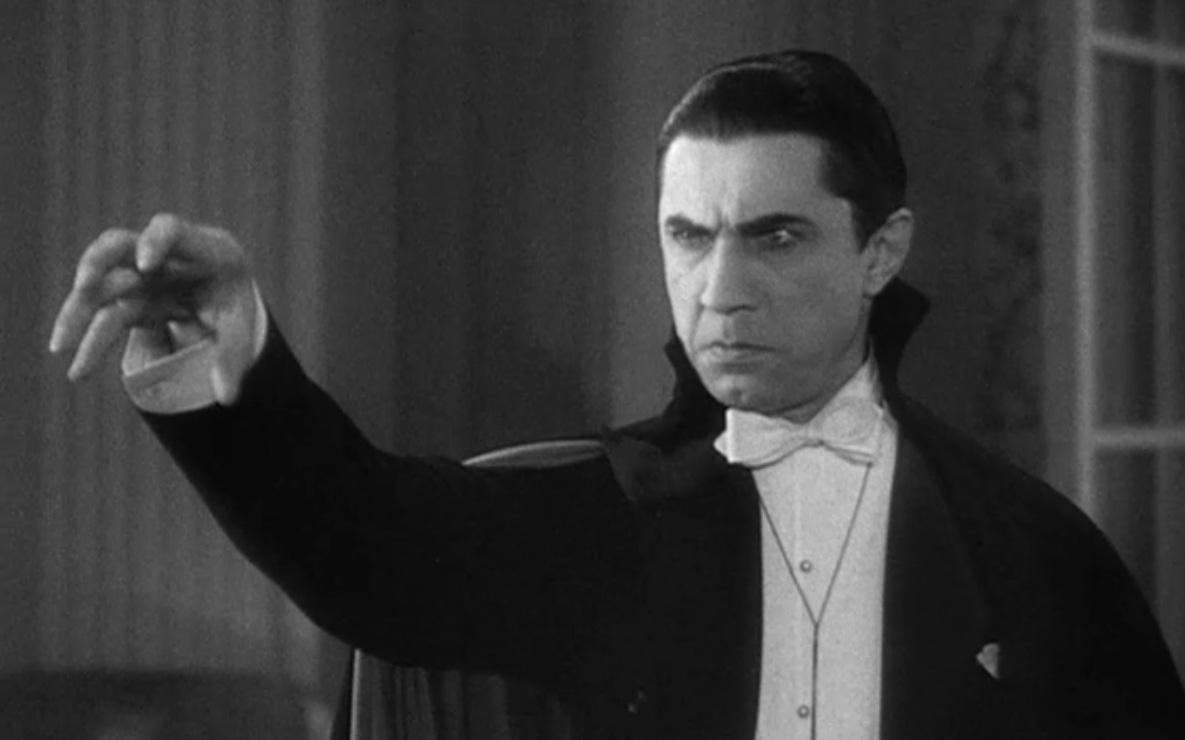
            Vampirism, from Dracula to the serpent who seduces Eve, is an important term used in literature all the time, including The Metamorphosis. Vampirism doesn't just mean the act of mythical vampires who have fangs, suck the blood of their victims, and hate sunlight and mirrors. Vampirism covers much more than that and it is from what mythical vampires do that metaphorically represents what real vampires do. Real vampires are people, or animals such as the serpent, but are defined as someone who "sucks the blood" from someone else, which can mean anything. Usually vampirism is defined from a sexual basis, because of examples like Dracula. He seduced young virginal women, and in a sense "sucked their blood" by taking away their innocence and he himself gaining the feeling of becoming younger. In reality, rapists are vampires, by taking away the innocence of their victims, leaving them mentally scarred forever, while the rapists only gained evil pleasure from the horrid act. The sucking of blood is really metaphorical to things such as these, but vampirism of course can be tied into many other examples. "But it's also about things other than literal vampirism: selfishness, exploitation, a refusal to respect the autonomy of other people, just for starters" (Foster 6). Foster explains the true definitions of vampirism, and from these, Gregor fits perfectly as the victim of a vampire. The clear vampires of the story are his sister Grete, and his parents. The worst of all the vampires though is his father, Mr. Samsa. There are too many examples of where Gregor's father takes something away from Gregor and his little life left as a bug and an outcast in his own home. The first scene that comes to mind where Mr. Samsa is "sucking the blood" from Gregor, is when he is throwing the apples at Gregor, which of course the scene has much more meaning in itself. But focusing on Mr. Samsa physically forcing Gregor into his bedroom is the big act of vampirism. Gregor at the point of being hit by his father with apples and a newspaper, goes to his room voluntarily, but can't because he gets stuck in the doorway. Mr. Samsa doesn't care and pushes him as hard as he can into his room, scraping Gregor against the doorway, severely cutting and tearing his bug body, and breaking a leg. From this his father stole two things: Gregor's health and strength, and his freedom. From here and on, his father would force him back inside the bedroom if Gregor ever tried to get out making his room like a prison. Gregor, the victim, was left in much pain and in a trap, while Mr. Samsa got the pleasure of teaching Gregor a lesson and imprisoning him by his brute force. This is true vampirism, and Mr. Samsa is the kind of vampire one would see in reality. Of course, all of Gregor's family members are vampires, but because of his family's vampirism, it creates another vampire: his starvation. "Franz Kafka, a latter-day Poe, uses the dynamic in stories like 'The Metamorphosis'... in a nifty reversal of the traditional vampire narrative, crowds of onlookers watch as the artist's fasting consumes him" (Foster 8). Foster is mentioning not only The Metamorphosis, but specifically referencing A Hunger Artist, also by Kafka. The artist's fasting is the vampire, slowly taking all of his life away from him, as the starvation Gregor's family puts him in is the vampire. Whether it be fasting to death or starvation from one's family until death, the vampire is quite clear. Gregor has to deal with many vampires throughout the story, from his family, and the vampires they create such as the emptying of his room, the filth of his room, his imprisonment, and starving Gregor. When Gregor dies, he is described as flat, as if he had no blood, which is a direct metaphor to being the victim of vampires. Vampirism is everywhere in The Metamorphosis, and Gregor is the one true being with a heart, yet, he is the one who is excluded from communions, his rights, being loved, and is the only victim of vampirism in the entire story.